

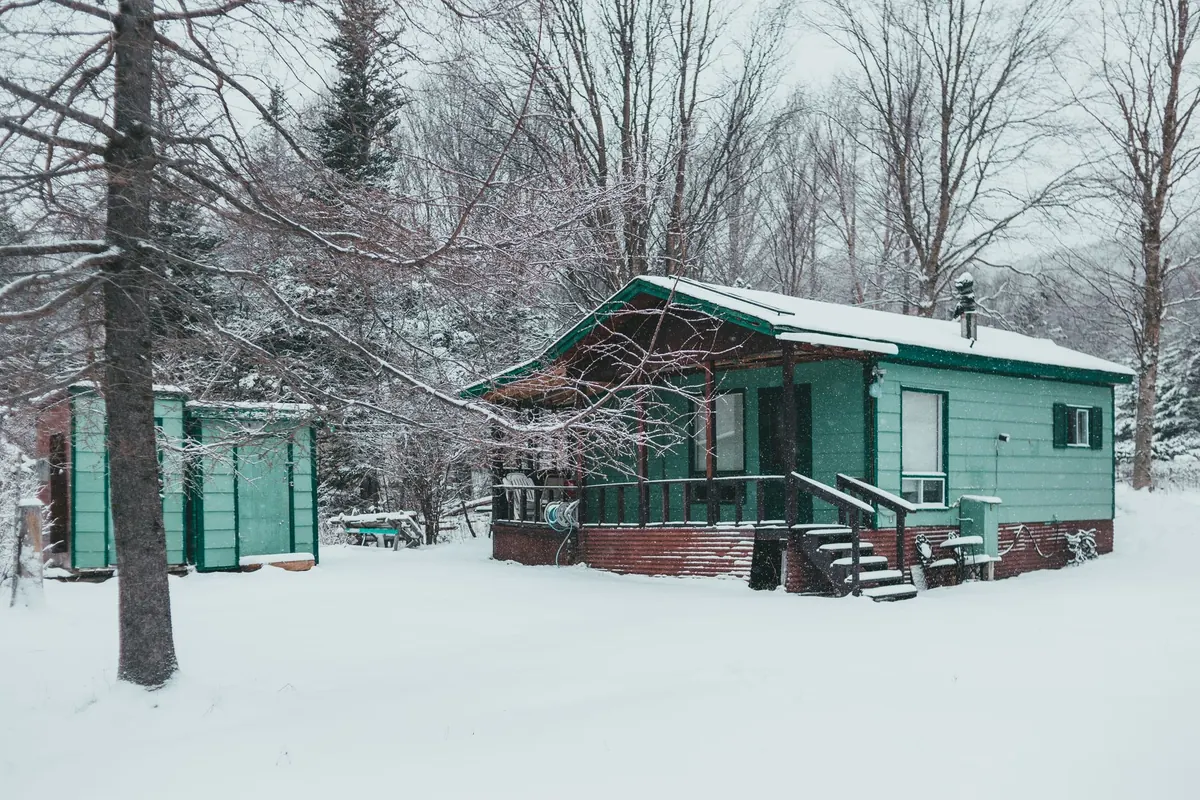
A cabin weekend in winter is a small logistics problem dressed up as a holiday. The drive is short, the bag should be small, and yet the temptation is to load the car as though you're crossing a continent. The trouble usually isn't the snow. It's the fourth sweater you never wore, the boots that stayed wet for two days, and the group of six people who collectively brought one lighter and no dish soap.
What follows is the list that has survived real weekends: a cold Friday arrival, a stove that takes twenty minutes to heat the room, a Saturday walk that runs longer than planned, and a Sunday morning where nobody wants to leave. Pack for that, and you'll be comfortable without hauling half your wardrobe up a mountain road.
Clothing: Build Layers, Then Add One
Winter cabin clothing is not about owning the right jacket. It's about having three thin things that work together and can be peeled off in a room that swings from freezing to stuffy within an hour of lighting the fire.
Start with two base layers — merino or a synthetic blend, never cotton, which holds sweat against your skin and turns cold the moment you stop moving. Add one mid layer, a fleece or a wool sweater, and one insulated outer jacket. If the forecast promises wet, heavy snow, bring a shell you can throw over the top; if it's dry and cold, the insulated jacket alone will do.
For trousers, softshell or wool walking trousers are the practical choice, with one pair of comfortable cabin trousers for the evening. Two days means two base layers, three pairs of socks, and one set of dry clothes reserved strictly for the drive home. That last rule matters more than it sounds: there is nothing as miserable as pulling on damp socks for a three-hour return trip.
- Two base layers (top and bottom), merino or synthetic
- One mid layer — fleece, wool sweater, or a thin down vest
- One insulated jacket, plus a shell if snow is wet
- Two pairs of trousers: one for outside, one soft pair for the cabin
- Three pairs of socks, wool or wool-blend
- Hat, neck gaiter, two pairs of gloves — thin liners and something warmer
- Cabin clothes: loose trousers, a thick jumper, warm slippers or thick socks
Footwear: Two Pairs, Chosen Carefully
Bring two pairs of shoes and no more. The first is an insulated, waterproof boot with a tread that grips packed snow — and it should be broken in before the trip, not on the trip. If the trail to the cabin is steep or often icy, a pair of strap-on traction spikes takes up almost no space and turns a nervous walk into an easy one.
The second pair is for indoors and short trips to the car: trainers, camp shoes, or a soft slip-on. Cabins are usually shoes-off at the door, and floors near an entrance stay cold and wet. Having something dry to change into is the difference between a cosy evening and a long one.
Drying matters as much as choosing. Wet boots left beside a hot stove can crack the leather or warp the sole; stuff them with newspaper instead and keep them a metre or so back from the fire, turning the paper once before bed. A small boot dryer is a luxury if you have one, but crumpled newspaper has rescued more cabin weekends than any gadget.
The Small Bag That Quietly Saves the Trip
Pack a single pouch with the items that are annoying to forget and impossible to improvise in a village with one closed shop. A headlamp per person is non-negotiable — cabin lighting is often one bulb and a candle, and the walk to the outhouse or woodpile happens in the dark. Cold weather drains batteries, so bring spares and keep a power bank inside your jacket pocket rather than in a cold car.
Sunlight bouncing off snow is genuinely harsh; sunglasses and a high-factor lip balm earn their place in February as much as July. Add a thermos, a small first-aid kit, any medication you take, earplugs if you're sharing a room with a snorer, and a pack of cards for the long evening. None of it weighs much. All of it gets used.
Food: Plan Meals, Not Groceries
The classic mistake is arriving with three bags of shopping and no plan, then discovering the cabin has two pans, a blunt knife and no oil. Decide the meals before you leave and buy for those meals only.
- Friday dinner: something that cooks in one pot with minimal attention — a stew, a chilli, a lentil soup. Chop the vegetables at home and bring them in a sealed box.
- Saturday breakfast: oats, eggs, bread, and coffee you know how to make. Check whether the cabin has a filter machine, a moka pot, or nothing at all; a small pour-over or a jar of instant is easier than improvising.
- Saturday lunch: bread, cheese, salami, soup sachets, and a flask of something hot. Assume you'll be hungrier than expected after walking in cold air.
- Saturday dinner: the meal you're actually looking forward to. Pasta with a sauce made at home travels well and takes fifteen minutes.
- Sunday breakfast: whatever's left, plus good coffee.
Beyond the food itself, pack the things cabins so often lack: salt, oil, a small bag of spices, dish soap, a sponge, a tea towel, bin bags, and a couple of zip bags for leftovers. Bring more water than you think you need if the tap isn't drinkable, and never eat snow for hydration — it lowers your core temperature and does very little for thirst. Snacks deserve their own paragraph: nuts, chocolate, dried fruit and a bag of something salty, kept in the pack rather than the kitchen, so nobody has to ration the good biscuits on Saturday night.
Shared Kit: Divide It Before You Drive
Group trips fail on duplication and omission, usually at the same time: five lighters, no matches that work, one person assuming someone else brought firewood. Put a list in the group chat a week ahead and write names next to items. Firewood, kindling and matches are the first entries — and check with the cabin owner about whether wood is supplied, because arriving after dark to an empty woodstore is a poor start. Some places also require cash for parking or a small local fee, so keep a little on you.
The rest of the shared list is unglamorous and essential: paper towels, toilet paper, bin bags, a washing-up bowl if there's no sink plug, a couple of extra headlamps, and a board game or two. Someone should carry a basic tool — a penknife and a roll of duct tape has fixed more cabin problems than any app.
What to Leave at Home
Skip the hard suitcase, which is useless on snow and gravel; a soft duffel and a daypack cover a weekend comfortably. Leave the second insulated jacket, the "nice" outfit, the cotton jeans for outdoor wear, and anything you'd worry about getting smoky or splashed. One book is enough. So is one camera.
The Night Before: Fifteen Minutes Well Spent
Pack the duffel, then put it by the door with your boots, gloves and hat on top of it, so nothing gets left behind in a dark hallway. Charge the headlamp and the power bank. Fill the thermos. Download the route and save the cabin's access details offline, since mountain signal is unreliable, and send someone at home a rough plan and an arrival time.
Last thing: check the weather and road conditions from an official source the morning you leave, and adjust the plan if the forecast has turned. A cabin weekend is meant to be simple. A small, deliberate bag and a shared list are what keep it that way — you arrive, light the fire, and the only decision left is who's putting the kettle on.
Photo: Erik Mclean / Pexels
Related posts
More stories you’ll love reading