
Winter Destinations
Comparing Three Winter Destinations for Beginners: Norway, Slovenia, and the Italian Alps
October 29, 2026
Three regions, three very different first winters on skis. Norway, Slovenia and the Italian Alps all welcome beginners, all sit within a short flight of most European cities, and all will have you snowploughing down a gentle slope by lunchtime. What changes is the money you spend, the way you move between valleys, and the sort of morning you wake up to. Here is how they compare on the things that actually decide whether a first ski trip feels easy or exhausting.
Cost: What Your Money Actually Buys
Norway is the expensive one, and it is not close. Lift passes, restaurant meals and drink all sit at a level that makes a week of eating out feel reckless. The trade-off is that the infrastructure is superb and you rarely need a car. Self-catering apartments in resorts such as Trysil or Hafjell bring the total down considerably, and Norwegians themselves shop and cook at the cabin. Do the same and the gap narrows fast.
Slovenia sits at the other end. Small resorts like Kranjska Gora and Krvavec keep passes modest, and a room in a guesthouse a short walk from the lift costs less than a good dinner in Oslo. Farm stays and private rooms are common and well run. The catch is scale: fewer lifts, fewer restaurants, and a shorter season at low altitude.
The Italian Alps land in the middle, but that middle is wide. Livigno, Bormio and the Aosta valley can be surprisingly reasonable if you book a half-board hotel outside the school holidays; Cortina and the smartest corners of the Dolomites rather less so. Half-board is often better value than it looks, because mountain lunches add up quickly.
One habit saves money everywhere: book lessons, rental and the pass together through the ski school or the local tourism office, and check exactly what the pass covers before you pay. Prices move every season, so treat any figure you read online as a starting point and confirm it with the provider.
Getting There, and Getting From the Airport to the Snow
All three are easy to reach. They differ in what happens after baggage claim.
Norway. Fly to Oslo, then take a coach or train to the larger resorts. Shuttle connections exist for Trysil and Hafjell, but timetables thin out at weekends and in low season, so check the last departure before you book a flight. Renting a car in winter means winter tyres and, on some roads, studs; ask what is included rather than assuming.
Slovenia. Ljubljana is the obvious airport, with Klagenfurt, Trieste and Venice all within reach if you are heading for the Julian Alps. Buses run to Kranjska Gora, but a car makes the difference if you want Bled, Bohinj and the passes in one trip. Winter tyres or chains are required in wintry conditions — confirm the current rules before you drive.
Italian Alps. The best public transport of the three. Trains reach Bolzano and Aosta, and local buses connect the valleys from there. You can genuinely ski a week in the Dolomites without a car, which is not true of the other two.
Beginner Terrain: Three Different Classrooms
Norway teaches on wide, forgiving slopes. Trysil's lower runs are long and gentle, Hafjell has a dedicated family area, and Voss is smaller but friendly. Snow reliability is high and the low sun makes the surface easy to read. Wind and flat light can close upper lifts, though, so plan shorter days and don't buy a full-area pass on day one.
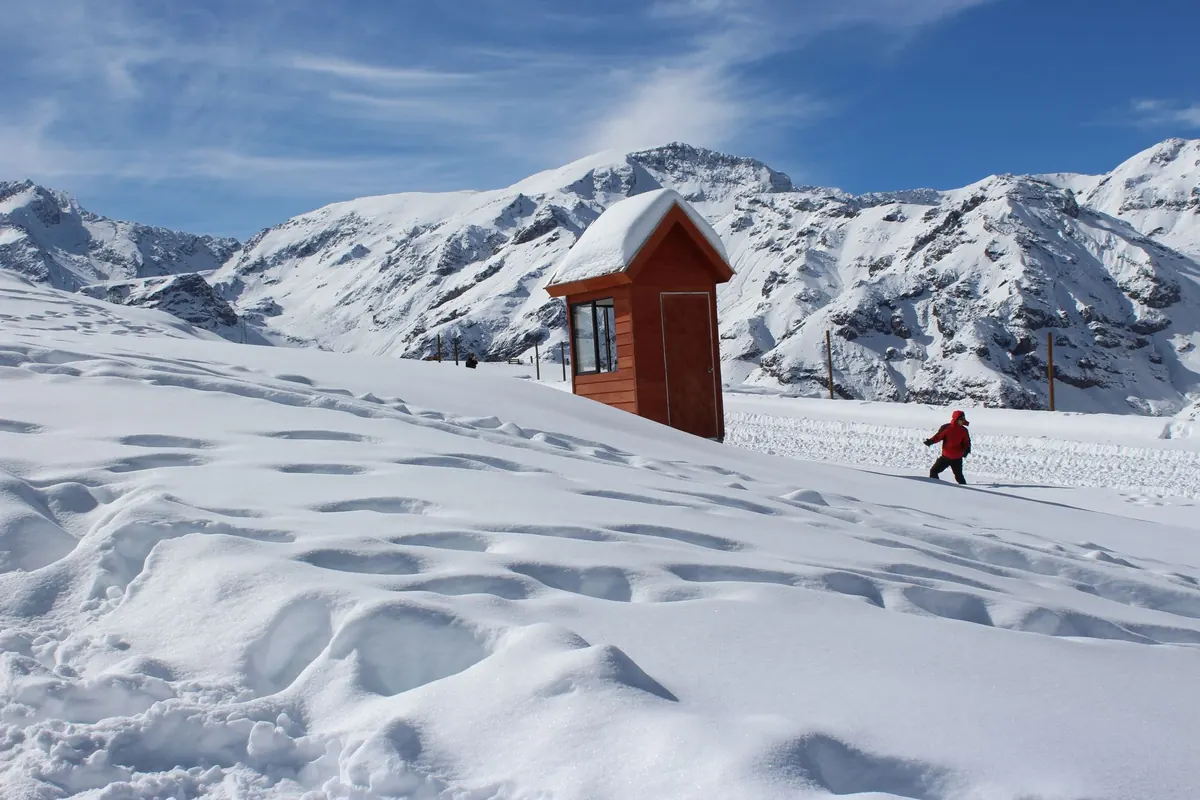
Slovenia's resorts are compact, which is exactly what a first-timer wants: the ski school meeting point, the rental hut and the café are all within two minutes of each other. Kranjska Gora's beginner slopes are gentle; Vogel is higher and holds snow better, but the access gondola adds a step to every morning. At low altitude, early and late season can be thin, so look at snow reports before committing to a week in December or late March.
The Italian Alps give you size. Livigno and Alta Badia have blue runs that run for kilometres, and altitude improves the odds of good snow. Size cuts both ways: a huge area is intimidating on day one, and group lessons sell out in peak weeks.
- Norway — best for snow-sure, forgiving slopes and English everywhere; budget accordingly.
- Slovenia — best for a low-cost first week and short travel distances; watch the altitude.
- Italian Alps — best for long blue runs, reliable snow and car-free logistics; book lessons early.
English Support, On and Off the Slope
Norway is the easiest. Instructors, bus drivers, the person at the rental desk — nearly everyone speaks English well, and websites and signage are usually bilingual. Group lessons taught in English are standard rather than an exception.
Slovenia is close behind in tourist areas. Younger staff and ski school instructors generally speak good English, and Kranjska Gora has long experience with English-speaking guests. In smaller resorts, expect less, particularly outside the ski school.
Italy varies most. Instructors in the main resorts teach in English regularly, but group lessons may be sorted by language, and office staff may assume Italian or German first. Ask the question when you book — will this group lesson be taught in English? — and get the answer before you pay. A private lesson costs more but removes the guesswork from your first morning.
Book the lesson before the pass. One morning with an instructor is worth more than two days of guessing.
Winter Scenery: Three Different Postcards
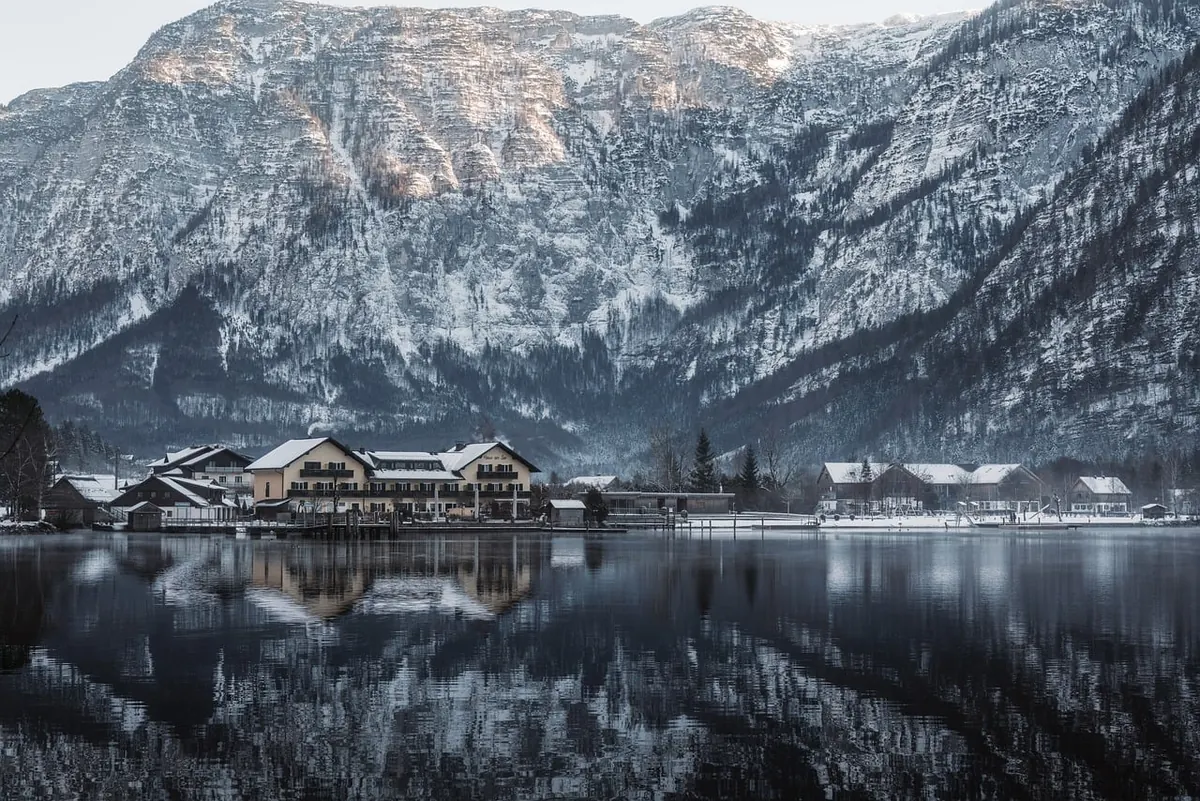
Norway is the quiet one. Birch trees, low blue light, snow that stays on the branches, and in some resorts a valley or fjord opening below the lift. Days are short in December and January, so ski from first light and stop early rather than fighting the dusk.
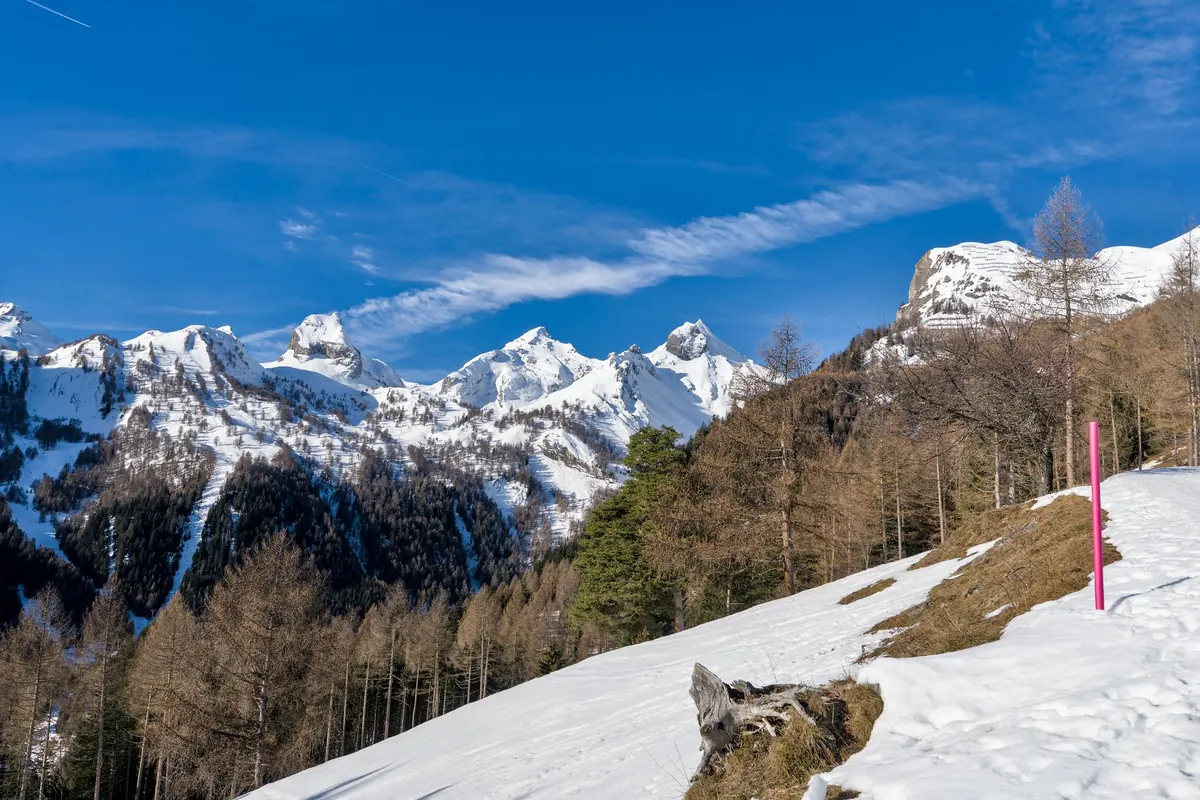
Slovenia packs drama into small distances. The Julian Alps rise sharply behind Kranjska Gora, Lake Bled with its island church is half an hour away, and Triglav National Park gives you winter walking as well as skiing. It is the only one of the three where a non-skiing day is a genuine highlight rather than a compromise.
The Italian Alps are the postcard. The Dolomites turn pink at dusk and the high plateaus above the tree line feel vast. It is the most photographed of the three, and it knows it. If you want quiet, pick a smaller village rather than the famous name.
Before You Book: A Short Checklist
- Fix your priority first — cheapest week, easiest travel, or best snow odds — and let that pick the country.
- Check the snow report and the resort's altitude, not just its reputation.
- Book ski school and rental in advance for peak weeks, and confirm the lesson language in writing.
- Compare self-catering in Norway, guesthouse in Slovenia and half-board in Italy; that mix usually gives the best value in each.
- Check that your travel insurance covers the winter sports you actually plan to do. Off-piste is often excluded, and medical cover matters more in remote valleys — read the policy yourself, or ask the insurer or a qualified adviser if anything is unclear.
Pack layers rather than one heavy jacket, bring goggles for flat light, and take the first morning slowly. Whichever of the three you choose, the goal of a first winter trip is simple: come home tired, not injured, and already thinking about the next one.
Photo: ahmetyuksek / Pixabay
Related posts
More stories you’ll love reading