
Alpine Adventures
First-Time Winter Alpine Hut Stay: What to Expect and How to Prepare
October 24, 2026
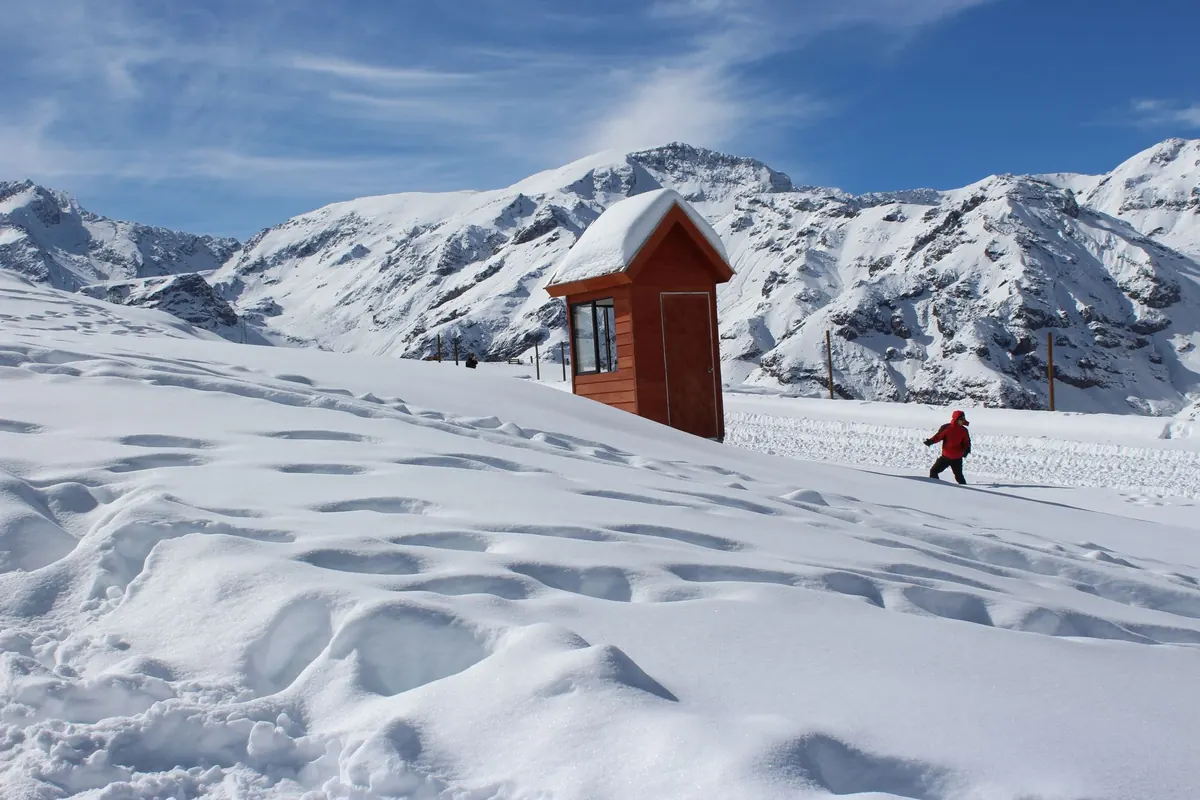
You have booked a bed at 2,340 metres in February. Now the small questions arrive. Where do you leave the car when the access road is closed, does anyone actually cook dinner, and why does every hut website mention a sleeping bag liner? A winter night above the treeline is one of the great modest adventures in the mountains, and it rewards a bit of preparation. Here is what to expect from the trailhead to the breakfast table.
Getting There: Winter Access Changes Everything
In summer, a hut two hours from the road feels easy. In winter, the same hut can mean four hours of breaking trail on snowshoes or skins, and the road you planned to drive may stop at the valley floor. Check the hut's own site for its winter status before you commit. Many staffed huts close in the cold months, and only the winter room stays open: an unstaffed space with simple bunks, a wood stove, and water you may have to melt from snow.
Read the approach description twice. Note the altitude gain, not just the distance, and whether the line crosses avalanche terrain. Some winter approaches follow forest roads and are genuinely forgiving. Others traverse open slopes where a poor decision matters. If a marked winter route exists, follow it rather than the summer path printed on your map.
Two habits make the day easier. Start early, because daylight is short and arriving after dark with a headlamp is a thin first experience. And decide your turnaround time before you leave the car park, particularly if a storm is forecast for the afternoon.
Booking the Bed
Most alpine huts are run by national alpine clubs or by families who have held the lease for generations. Book directly with the hut or through the club's reservation system. Weekends, holidays and clear-weather Saturdays fill months ahead, so treat a winter hut bed as something to reserve rather than something to find.
Staffed hut or winter room?
A staffed hut gives you a made-up bunk with duvets, a hot dinner and a warm common room. A winter room gives you a mattress, a stove and silence, plus the job of melting snow for water and carrying out everything you bring in. Both are excellent; they are simply different trips. Confirm which one you have reserved, whether the winter room needs a key or a code, and where you collect it. Never plan to fall back on an emergency shelter as your bed for the night.
Half board and the cash question
At staffed huts, half board usually means dinner, breakfast and sometimes a packed lunch. Ask at booking whether half board is compulsory, what time dinner is served, and whether cards are accepted. Plenty of huts remain cash only, and the nearest cash machine is often a valley away. Club membership brings member rates at many huts, which pays off quickly if you plan more than a night or two.
What to Pack for a Night Above the Trees
Aim for a pack around 30 to 35 litres and resist the urge to bring "just in case" duplicates. Your boots stay downstairs in the boot room, so you need something clean and dry for the dormitory.
- Sleeping bag liner in silk or cotton, required by many huts and useful for warmth and hygiene.
- Hut clothes: light trousers or leggings, a warm mid layer, thick socks, a dry spare base layer.
- Slippers or clean trainers for indoors, plus a stuff sack to keep your gear together at the bunk.
- Headlamp with fresh batteries; the red setting is a courtesy at night.
- Earplugs and an eye mask, since dormitories are shared and snoring is democratic.
- Cash in small notes for drinks, extras and the tip jar.
- Water bottle and thermos, plus snacks for the approach and the evening.
- Small towel, hand sanitiser, a little toilet paper, and a bag for your own rubbish.
- Blister kit, personal medication, sunscreen, lip balm and a buff or hat for the dorm.
- Map, offline navigation, power bank and the hut's phone number written down on paper.
Add avalanche equipment, crampons or spikes and poles if your route calls for them, and know that gear you have never practised with is weight rather than safety.
Meals: Dinner at a Fixed Hour
Dinner is served at a set time, usually somewhere between six and seven in the evening, and it is rarely à la carte. Expect a soup or a starter, one main plate, and something sweet. Tell the hut you are vegetarian or have an allergy when you book, not when you sit down. Breakfast is typically bread, butter, jam, coffee or tea, sometimes cheese and muesli, and it arrives early because everyone wants to be on the move.
Drinks are charged separately and often settled in cash at the end of the night, so note your name or bunk number on the tab. Tap water can be limited in winter, and many huts ask you not to fill bottles from the tank. Buy bottled water at the hut or carry your own. Some huts also sell a packed lunch in the morning if you ask the evening before.
Dorm Etiquette: Small Habits, Better Nights
Hut life works because everyone gives up a little comfort at the same time. A few habits make you the neighbour people are glad to have.
- Take your boots off at the door and carry them to the drying room.
- Keep your gear in your bag or under your bunk, not spread across the floor.
- Pack your rucksack the night before, so you are not rustling plastic bags at half past five.
- Respect lights-out. Headlamp down, phone on silent, headphones for music and calls.
- Leave the washroom, the kitchen corner and the common room as you found them.
If you want quiet, ask for a corner bunk away from the door. If you want company, the long table after dinner is where routes, weather and a hundred small stories get exchanged.
Winter Safety Expectations You Cannot Skip
Read the regional avalanche bulletin and the weather forecast the evening before, then again over breakfast. Learn the key parts: the danger level, which slopes and altitudes are most affected, and when the situation is expected to change. Winter route markers are frequently buried, so navigate with a map and an offline GPS track, carry a spare battery, and accept that the summer path may not be the winter line.
Plan around light. In the Alps in January, the sun is gone by late afternoon and a shaded valley loses light earlier still. Tell someone your plan and expected return time. Mobile reception is patchy, and the hut keeper is not a rescue service, though many huts keep a radio.
A transceiver, shovel and probe are only useful with practice. If you cannot yet judge terrain and snowpack, hire a mountain guide or join an introductory winter course; a first hut trip is a very good moment to do it. Finally, check what your insurance covers, including helicopter evacuation, and confirm it directly with the insurer before you travel. For insurance, health or equipment-hire decisions, seek proper professional advice rather than relying on a forum thread.
Before You Go: A Short Checklist
Confirm the hut is staffed or that you have the winter room key. Confirm dinner time, payment method and cancellation terms. Leave a note of your route and return time with someone at home. Pack the liner, the headlamp, the cash and the warm dry layer. Set a turnaround hour and promise yourself you will honour it.
The point of a first winter hut night is not to prove anything. It is to walk in daylight, eat something hot in a room full of strangers, sleep surprisingly well, and wake up above the trees with the whole day ahead of you.
Related posts
More stories you’ll love reading